
Orkut’s Marketing Action Plan: Successes and Shortcomings
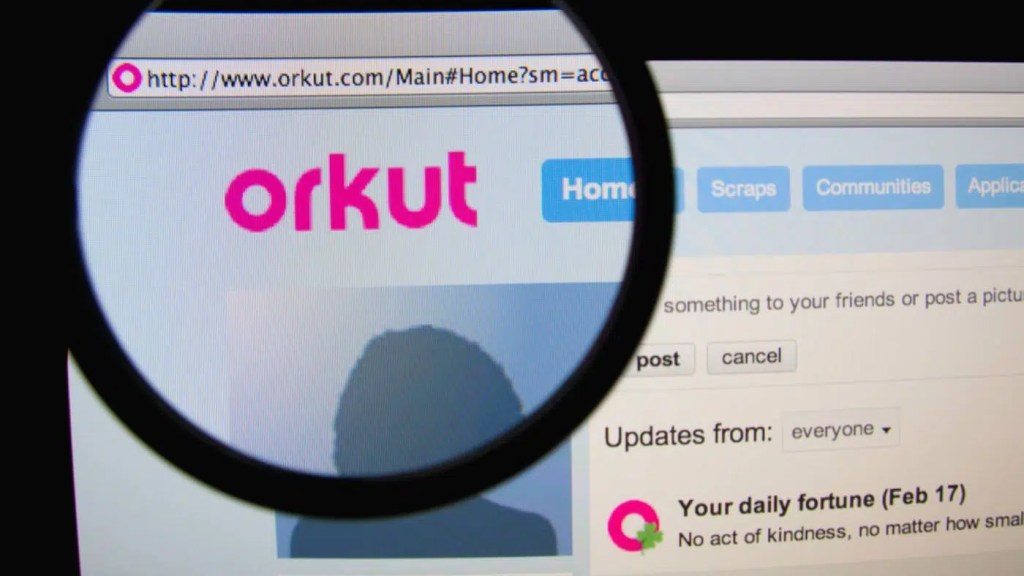
Orkut, once one of the most popular social networking platforms in Brazil, provides a fascinating case study for social media marketing. When we examine Orkut through the lens of its history and marketing strategies, several approaches stand out.
First, Orkut excelled at creating a strongly defined target audience. By focusing on Brazilian users and later expanding to India, it was able to leverage cultural preferences and user behavior to foster a highly engaged community. The platform’s community-based structure enabled users to create groups around shared interests, which is directly aligned with the principles of targeting niche audiences discussed in this guide to social media audience targeting. Orkut also utilized a clear activity plan by regularly updating features that encouraged engagement, such as profile customization and community discussions. These efforts helped users feel connected to the platform in ways beyond passive scrolling, as they were participants, not just viewers.
However, Orkut did fall short in several areas. While the platform encouraged social interaction, it struggled with monetization and resource allocation. Unlike other social networks like Facebook, Orkut did not fully leverage paid advertising or a monetization strategy that could sustain long-term growth. In addition, its policies and monitoring tools were limited, making it harder to manage spam, harassment, and declining user interest over time. This highlights an essential lesson: a strong social media strategy must balance community engagement with practical business operations. For more insights into building community and engagement strategies, check out HubSpot’s article on community building tips and best practices, which outlines key approaches to fostering lasting, authentic communities online.
The Community Structure and the Changing Role of the Digital Consumer
One of the most innovative aspects of Orkut was its community-based design, which reflected a major shift in the role of digital consumers. Unlike traditional top-down marketing, where companies push messages through mass channels, Orkut allowed users to create, share, and discuss content independently. Users were no longer passive recipients, they became co-creators of the brand experience, shaping how communities and groups functioned.
Why were consumers more interested in participating with these messages rather than a traditional diffusion strategy? The answer lies in autonomy and relevance. When users interact in communities they care about, the content feels personal and trustworthy. Unlike a standard diffusion strategy, which relies on marketers to spread a message outward, Orkut empowered peer-to-peer communication, which naturally enhances engagement and loyalty. This participatory model aligns perfectly with the idea that modern social media marketing is less about control and more about listening, facilitating, and mobilizing users into brand advocates.

Lessons for Modern Social Media Marketing
Orkut’s story teaches us that understanding your audience, encouraging participation, and providing tools for user-generated content are crucial to building a successful social media presence. While Orkut itself may no longer be active, its approach to community-driven engagement is still highly relevant today. Social media marketers can learn to balance strategy and spontaneity, ensuring users feel empowered while still guiding them toward meaningful brand experiences.
Why Knowing Your Audience Matters: What Weixin Teaches Social Media Practitioners
In social media strategy, success rarely starts with technology. It begins with people. Platforms that thrive understand who their users are, how they live, and what they need at different times of day. Few examples illustrate this better than Weixin (WeChat), a platform deeply embedded in the everyday lives of millions of users. Rather than…

The Viral Power and Pitfalls of Breast Cancer Awareness Memes
Every October, social media fills with pink ribbons, awareness posts, and viral campaigns supporting National Breast Cancer Awareness Month . Among these campaigns, one phenomenon has captured attention and controversy: the breast cancer Facebook meme. At first glance, it seems like a fun, harmless way to raise awareness. But beneath the viral shares lies a…
Seeing Change Clearly: How Warby Parker Rewrote the Eyeglass Experience Through Social Media
A Clear Vision for Disrupting an Old Industry For decades, buying prescription glasses followed a predictable but inconvenient and expensive process. Make an appointment, travel to a showroom, pay high prices for frames, and hope the style still looked good when you got home. In 2010, four Wharton classmates decided this model no longer worked…
 Justin Boyd
Leave a comment